

 See My Latest Article on HelloNation
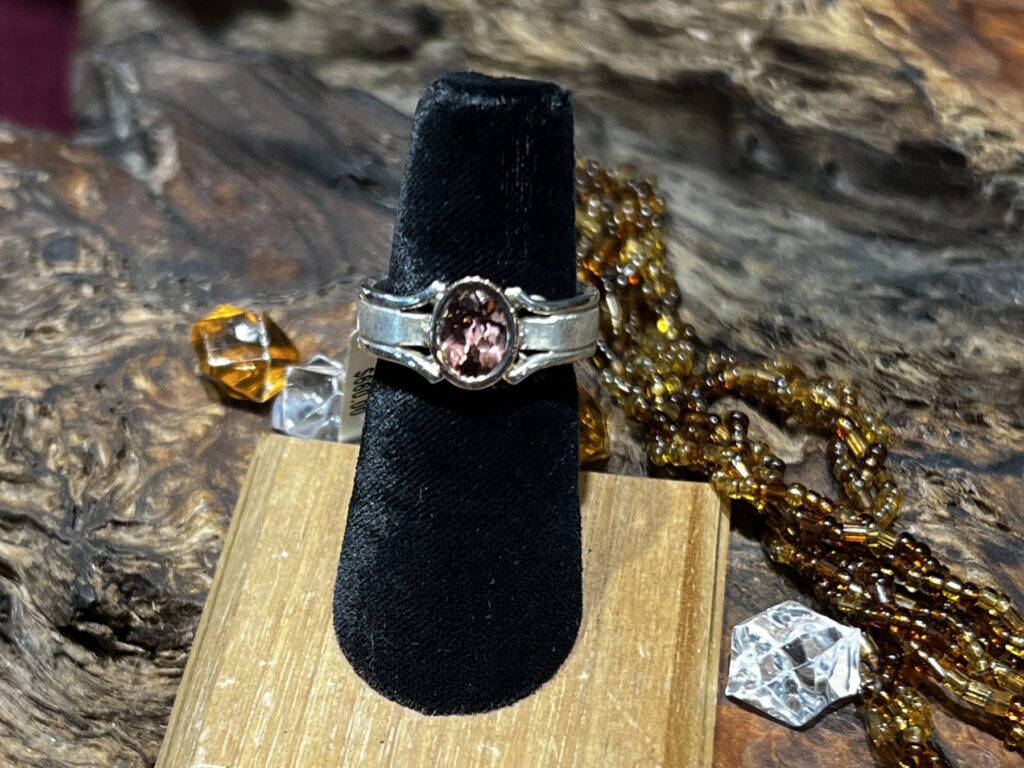
If you’re like many in Auburn, IN, your jewelry carries not just monetary value but also memories—family heirlooms, graduation gifts, or a treat to yourself from Auburn’s vibrant downtown shops. But how can you tell if those cherished pieces are really made of gold or silver? Whether you’ve inherited a mysterious ring from grandma or picked up a necklace at a local antique market, here’s your go-to guide for determining if your jewelry is genuine.
Why Identifying Real Gold and Silver Matters in Auburn, IN
Auburn’s rich history and small-town charm make it a hub for antique finds and family-outing shopping trips on Main Street. Authentic jewelry not only retains value but can also become a treasured keepsake for generations. Knowing how to distinguish real gold or silver from costume pieces or plated look-alikes can save you disappointment, and ensure you’re caring for your valuables properly.
What Is Real Gold and Silver?
Before diving into testing methods, let’s clarify the basics:
- Gold is measured in karats (like 10K, 14K, 18K), indicating its purity out of 24 parts. Pure gold is 24K, while lower numbers mean it’s alloyed with other metals for strength.
- Silver is most commonly marked as “sterling,” meaning it’s 92.5% pure silver mixed with 7.5% other metals—usually copper—to add durability.
The First Step: Look for Hallmarks or Stamps
Many real gold and silver pieces are stamped with tiny markings, often found on the inside of ring bands, clasps, or the back of pendants. Here’s what to look for:
- Gold: Stamps like “10K”, “14K”, “18K” or “417”, “585”, “750” indicate real gold of varying purity.
- Silver: Look for “925”, “Sterling”, or “Ster” which are the standards for sterling silver.
Older vintage or handmade jewelry (common at antique stores in Auburn) might not have these marks, but their absence isn’t always a sign of fake metal—other tests can help in these cases.
Easy at-Home Tests for Gold and Silver
For Gold:
- Magnet Test: Gold is not magnetic. Use a strong household magnet and see if your item is attracted. If it is, it’s mostly likely not real gold (though some clasps may contain metal springs).
- Ceramic Scratch Test: Take an unglazed ceramic plate (sometimes found in local Auburn kitchen boutiques) and lightly drag the piece across it. Real gold leaves a gold streak; fake gold leaves a black mark. Be gentle to avoid damaging your jewelry!
- Visual Inspection: Gold does not tarnish or turn green. If your jewelry has green, black, or white patches, it’s likely just gold-plated.
For Silver:
- Magnet Test: Like gold, silver is not magnetic.
- Tarnish Test: Genuine silver tarnishes and can develop a dark, grayish patina. Unlike base metals, rubbing tarnished silver with a soft cloth (or special silver cloth from an Auburn jeweler) makes it shiny again.
- Ice Cube Test: Place an ice cube on your item; silver conducts heat very well and the ice should begin to melt almost instantly compared to a non-silver surface.
When to Consult a Local Auburn Jeweler
While at-home tests are handy for initial checks, they aren’t foolproof, especially with antique or mixed-metal pieces. If you’re uncertain, reputable local jewelers in Auburn, IN, can perform professional testing such as acid tests or use advanced equipment to determine metal purity. Whether you’re thinking about selling, insuring, or just want peace of mind about your jewelry’s true worth, a professional evaluation is always a smart move.
Common Myths About Gold and Silver Identification
- Biting Real Gold: Hollywood myths aside, biting jewelry only damages your teeth—and likely your jewelry! Professional tests are far more accurate.
- Color Is Everything: Jewelry that looks “gold” or “silver” in color could be plated or alloyed. Only testing can be definitive.
- Older Means Authentic: While Auburn’s estate sales and antique shops offer amazing treasures, age is not a guarantee of authenticity.
Taking Care of Your Genuine Gold and Silver Jewelry
If your jewelry passes the tests and you find it’s genuine, proper care will help it shine for years to come:
- Store gold and silver pieces separately to avoid scratches and tarnishing.
- Clean gold gently with lukewarm water and mild soap; dry thoroughly.
- For silver, use only polishes made specifically for sterling, or bring heirloom pieces to a trusted jeweler for cleaning.
Jewelry in Auburn: Part of the Local Experience
Jewelry in Auburn isn’t just about adornment—it’s part of the community tapestry. From browsing local boutiques during Auburn’s classic car festivals to inheriting family treasures passed down across generations, fine jewelry adds meaning to life’s moments here. Knowing how to protect your valuables helps keep those traditions alive.
Conclusion: Trust Your Eyes, But Verify
Whether your collection comes from generations of Auburn residents or from discoveries on Main Street, identifying real gold and silver ensures your jewelry maintains its beauty, value, and story. Start with stamps, try some easy at-home tests, and when in doubt, turn to local experts. With a little knowledge, you’ll wear your Auburn memories with confidence, knowing your jewelry is the real deal.