

 See My Latest Article on HelloNation
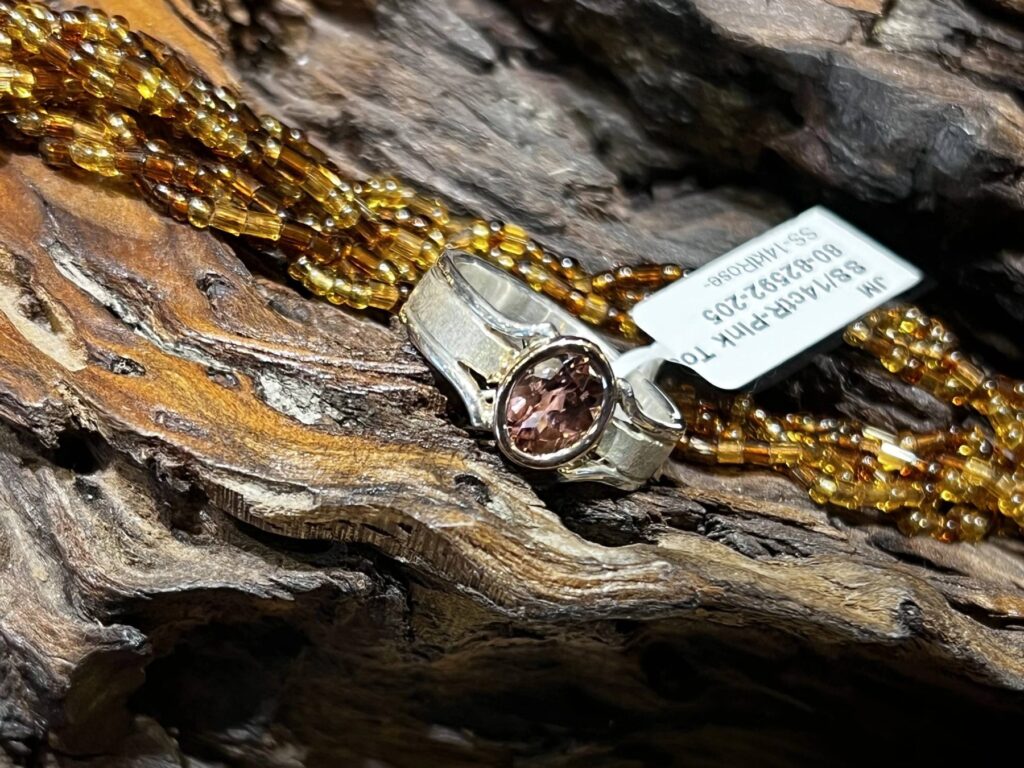
Why Do People Wear Birthstones?
The custom of wearing birthstones—gemstones linked to the month in which a person is born—traces back centuries. People often choose birthstone jewelry as meaningful tokens for birthdays, anniversaries, or special occasions. The tradition holds that these gems can bring luck, health, or protection to the wearer.
In Auburn, fine jewelry featuring birthstones remains a popular gift for graduations, family milestones, and sometimes even as heirlooms. Some residents enjoy birthstone pieces simply for their rich color and personal meaning, while others see them as a way to connect with family heritage.
How Did the Birthstone Tradition Begin?
Linking gems with specific months dates back to ancient times. Historians believe the origins can be traced to biblical texts describing the Breastplate of Aaron—a religious garment set with 12 stones, each representing a tribe of Israel. Over centuries, interpretations of these stones evolved, leading to the idea that wearing a specific gem during its corresponding month offered spiritual benefits.
By the 18th and 19th centuries, people in Europe began wearing one stone for each month year-round, popularizing the idea of owning a gem tied to one’s birth month. In the United States, including here in Indiana, formal birthstone lists were standardized in the early 1900s, shaping the practice still seen in Auburn households.
What Does Each Birthstone Represent?
Each birthstone carries its own symbolism, and many believe these stones can influence personality, luck, or well-being. Below are the generally accepted monthly birthstones and some of their traditional meanings:
- *January – Garnet*: Symbolizes protection and safe travel.
- *February – Amethyst*: Thought to encourage calmness and wisdom.
- *March – Aquamarine*: Associated with serenity and clarity.
- *April – Diamond*: Represents strength and eternal love.
- *May – Emerald*: Symbols of rebirth and good fortune.
- *June – Pearl or Alexandrite*: Pearls linked to purity; alexandrite to change and creativity.
- *July – Ruby*: Said to evoke passion and courage.
- *August – Peridot*: Connected to strength and protection.
- *September – Sapphire*: Icons of truth and loyalty.
- *October – Opal or Tourmaline*: Opals for hope; tourmalines for healing.
- *November – Topaz or Citrine*: Related to warmth, health, and cheerfulness.
- *December – Turquoise, Tanzanite, or Zircon*: Markers of good luck and peace.
Local residents might notice that some months have more than one recognized stone. This is due to differences in historical traditions and modern additions, allowing for a broader range of jewelry choices.
Are Birthstones Linked to Astrology, Folklore, or Science?
Birthstones often get associated with folklore or astrological beliefs, though their popularity today is mostly cultural and sentimental. In some traditions, certain stones were thought to provide healing properties, align with zodiac signs, or even offer protection from harm.
There is no scientific evidence that birthstones change a person’s fortune or health, yet many still appreciate them for their historical and symbolic associations. For area families, wearing a birthstone can feel like carrying a part of local or family history, especially when pieces are passed down over generations.
How Are Birthstones Chosen or Updated?
The modern list of birthstones is maintained by trade groups such as the American Gem Society and Jewelers of America. Over time, certain stones have been added or substituted based on changing tastes, supply, and improved mining techniques. For example, tanzanite was added as a December birthstone in the 20th century after it became more widely available.
While some Auburn residents prefer the traditional stones listed by older sources, others appreciate the flexibility to choose according to color preference, symbolic meaning, or family tradition. When gifting birthstone jewelry, it’s common to ask the recipient’s preference—especially for months with multiple options.
Common Misconceptions About Birthstones
Despite their popularity, myths sometimes surround birthstones. Some believe a birthstone only “works” if gifted rather than purchased for oneself, or that only wearing a stone in its assigned month brings benefits. Neither claim has historical backing, and today people enjoy birthstones year-round and buy them for themselves or loved ones.
Another misconception is that all stones are equally durable. In reality, birthstones like diamonds and sapphires are very hard, making them well suited for rings or daily-wear items. Stones like opal or pearl require gentler care and might be better for pieces worn occasionally. For Auburn families with active lifestyles or hands-on hobbies, knowing the durability of each stone can help keep cherished jewelry looking its best.
Local Traditions and Birthstones
In this community, birthstone jewelry often marks major life events like high school graduations, engagements, and family reunions. Some Auburn families pass along rings, necklaces, or pins featuring multiple stones—one for each child or grandchild—making these pieces unique to local households. These traditions help reinforce the sense of connection and continuity that birthstones can symbolize, far beyond their origins or assigned meanings.
Whether chosen for beauty, heritage, or a touch of symbolism, birthstones continue to hold meaning for those living in Auburn and shape how fine jewelry is worn and treasured in the area.