

 See My Latest Article on HelloNation
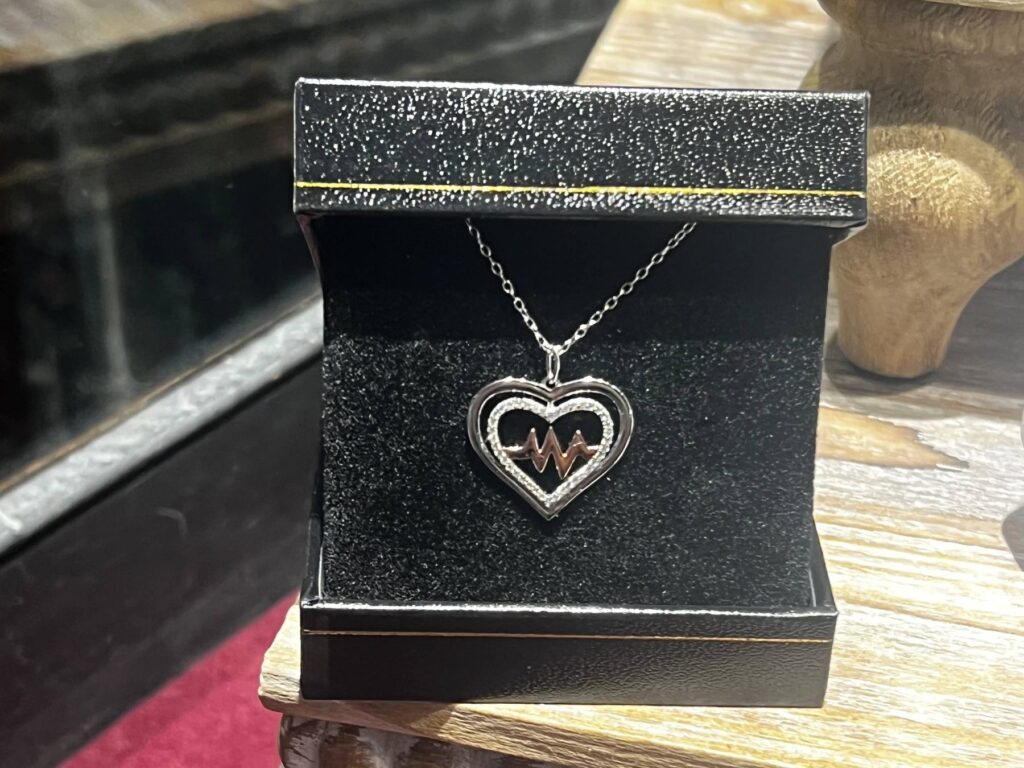
Why Does Jewelry Storage Matter in Auburn, IN?
Proper jewelry storage protects sentimental and valuable pieces from loss, damage, or premature aging. In Auburn, IN, where homes range from older properties with drafty conditions to newer constructions, local residents should be aware of how humidity, seasonal temperature swings, and even household layout affect the safety and longevity of fine jewelry collections.
Fine jewelry is particularly sensitive to moisture, dust, and physical abrasion. Mishandling or poor storage, even inside the home, can lead to tarnishing, scratches, or tangled chains that may require costly repairs.
What Are the Biggest Risks to Fine Jewelry at Home?
Fine jewelry risks a variety of threats even when not worn regularly. The most common storage-related risks include:
- Moisture and humidity: The humid summers in Auburn may accelerate tarnishing, especially for silver and lower-karat gold pieces. Even indoor air can carry enough moisture to affect soft gemstones or metals.
- Physical abrasion and tangling: Storing pieces loosely together, such as tossing rings, necklaces, and earrings into a single box or drawer, can lead to scratching of gemstones and metals.
- Loss or theft: Keeping valuable items in obvious places increases the risk of loss, particularly during home visitors, repairs, or moves. This risk may rise in densely populated neighborhoods or during community events.
How Should Jewelry Be Stored to Prevent Damage?
Jewelry should be stored in a clean, organized manner to prevent both environmental and physical damage. Use soft-lined boxes or pouches and consider these practical steps:
- Separate storage: Each item or pair should have its own compartment or soft bag. This prevents harder stones and metals from scratching softer ones.
- Necklace hooks or organizers: Hang necklaces or lay them flat in dedicated sections to prevent tangling, which can be difficult to fix at home.
- Avoid exposure to air and moisture: Store sterling silver and delicate items in anti-tarnish pouches or use silica gel packets in jewelry boxes to control humidity.
- Protect delicate pieces: Opals, pearls, or vintage settings may require extra care. Keep them away from direct sunlight and in temperature-stable locations, as they can crack or discolor if exposed to fluctuating conditions.
Where Is the Safest Place for Jewelry Storage in Households?
Generally, the safest areas are secure, inconspicuous, and climate-stable spaces. For Auburn homes, this often means choosing a location away from windows and bathrooms.
- Avoid obvious spots: Jewelry left in bathrooms, on dresser-tops, or in unlocked drawers is easy to find and susceptible to both loss and exposure to moisture.
- Use a home safe: If available, a discreetly placed, fire-resistant safe bolted to the structure offers security against theft and fire. This is especially important for heirlooms or pieces not worn regularly.
- Climate stability: Select a location that does not experience frequent temperature swings—such as the upper floors in attics or by exterior walls—since extreme cold and heat can damage settings and certain gemstones.
- Travel considerations: When leaving Auburn for extended periods, store jewelry in a secure safe at home, and avoid transporting valuables unnecessarily unless specifically needed.
How Do Auburn’s Seasonal Changes Affect Jewelry Storage?
Seasonal shifts in Auburn create additional factors. Summers may lead to elevated indoor humidity even with air conditioning, while winters can bring extremely dry air from heating systems.
- Summer humidity: Regularly check stored jewelry for signs of moisture or tarnish. Use moisture absorbers in jewelry boxes during especially damp spells.
- Winter dry air: While dry conditions slow tarnishing, they can be harsh on pearls and opals, potentially causing cracking. Store these items with a small, sealed container of distilled water nearby (not in direct contact) to maintain ambient humidity.
- Temperature swings: Rapid temperature changes, common in older Auburn homes, can loosen settings and glue in vintage pieces, so store at a stable room temperature wherever possible.
Are There Specific Tips for Storing Jewelry Collections With Children or Pets in the Household?
Yes, precautions should be heightened when children or pets live in the home.
- High, hidden storage: Use locked drawers or cabinets out of reach and sight.
- No loose pieces: Never leave jewelry outside its storage after wear, as small parts can be hazardous if swallowed or misplaced.
- Teach safe habits: Older children may enjoy wearing simple jewelry; teaching them proper storage habits from a young age helps preserve items for future generations.
What Are Common Misconceptions About Jewelry Storage?
Several myths can lead residents to store fine jewelry in ways that cause problems:
- All boxes are equal: Regular decorative boxes, especially vintage wooden ones without lining, may attract dust and scratch surfaces. Choose lined boxes or pouches intended for fine jewelry.
- Bathroom storage works: Many assume the bathroom jewelry tray is convenient, but the room’s humidity and exposure to cosmetics or sprays can accelerate corrosion and tarnish.
- Insurance eliminates the need for careful storage: While insurance is helpful, it does not prevent sentimental loss or avoidable damage. Proper storage habits remain essential.
How to Clean Before Storing Fine Jewelry?
Jewelry should be clean before going into long-term storage. Dust, oils, and sweat left on pieces can cause tarnish and buildup over time.
- Gentle cleaning: Wipe with a soft, lint-free cloth—never use paper towels, which can scratch.
- Mild soap and water: For most gold and gemstones, a mild soap solution and a soft brush suffice. Avoid soaking porous stones like turquoise or pearls.
- Dry thoroughly: Ensure all items are completely dry prior to storage, as trapped moisture leads to corrosion, especially in box compartments.
By adopting these habits, area households can preserve the value, beauty, and integrity of cherished jewelry items across seasons and generations.