

 See My Latest Article on HelloNation
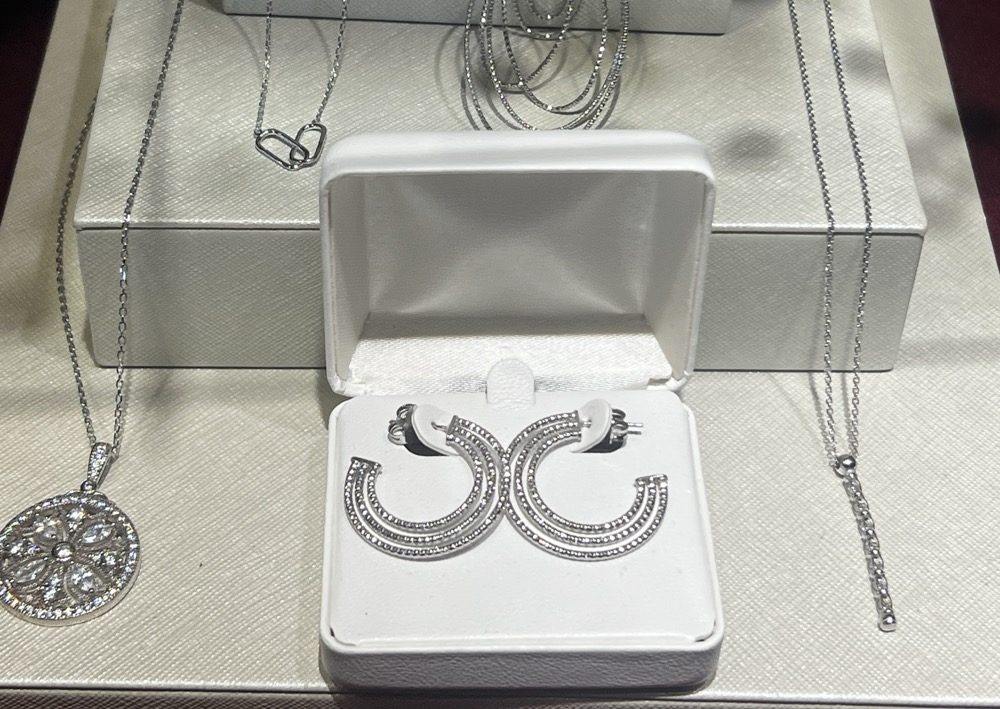
What is the simplest rule for matching jewelry with clothing?
The simplest rule is to balance the jewelry with the outfit rather than making every piece compete for attention. Clothing color, neckline, fabric, pattern, occasion, and personal style all affect which jewelry looks most natural.
For residents of Auburn, IN, everyday wardrobes often need to work across changing seasons. Lightweight clothing may call for simpler pieces, while sweaters, jackets, scarves, and heavier fabrics can support more visible jewelry. The goal is not to follow strict rules but to create a sense of proportion.
A useful starting point is to ask three questions:
- Is the outfit already visually busy?
- Where should attention be directed?
- Does the jewelry suit the neckline and sleeve length?
If the clothing has a bold pattern, a simple necklace or understated earrings may provide balance. If the clothing is plain, a noticeable pendant, textured bracelet, or distinctive earrings can add interest.
How should jewelry match clothing colors?
Jewelry does not need to match the exact color of an outfit. It usually looks more coordinated when it complements the clothing’s color temperature, contrast, or overall mood.
Warm-colored clothing, such as rust, cream, olive, mustard, or brown, often pairs comfortably with yellow gold, rose gold, bronze-toned materials, or warm gemstones. Cool colors, including blue, gray, lavender, and icy green, commonly work well with white metals, silver tones, or cool-colored stones.
These are guidelines, not requirements. A contrast can be intentional and attractive. Yellow gold against a deep blue blouse creates definition, while silver jewelry with warm clothing can provide a crisp, modern effect.
Neutral clothing offers considerable flexibility:
- Black clothing can support both bright metals and colorful gemstones.
- White and cream clothing can make jewelry appear more prominent.
- Gray often works with silver, gold, or mixed metals.
- Denim pairs naturally with casual metal jewelry, pearls, or simple gemstone pieces.
- Beige and tan clothing can be balanced with either warm metals or high-contrast dark stones.
The most reliable approach is to compare the jewelry with the entire outfit rather than judging it against one garment.
Which jewelry works with different necklines?
The neckline often determines whether a necklace feels balanced or crowded.
A V-neck usually works well with a pendant or necklace that follows the same downward shape. A round neckline may pair better with a shorter chain, rounded pendant, or necklace that sits just above the fabric. A scoop neckline can accommodate a range of lengths, including layered necklaces when the clothing is relatively simple.
High necklines, turtlenecks, and collared shirts often look cleaner with earrings, bracelets, or a longer pendant worn over the fabric. Strapless and open necklines can support a more noticeable necklace, although large earrings may be a better choice if the neckline already provides a strong focal point.
A common mistake is placing a long necklace directly over a complicated neckline, collar, scarf, or decorative panel. The jewelry can become tangled visually, even if each item is attractive on its own.
How do earrings, bracelets, and rings fit into the overall look?
Jewelry should be considered as a group, but each category serves a different purpose.
Earrings frame the face and are especially useful when a necklace would compete with the neckline. Studs and small hoops are versatile for work, errands, and casual gatherings. Longer earrings can add movement to a simple outfit but may feel excessive alongside a large necklace or heavily decorated collar.
Bracelets and watches draw attention to the hands and sleeves. A narrow bracelet may disappear beneath a thick sweater or jacket cuff, while several rigid pieces can catch on loose clothing. For practical daily wear, especially during colder months, choose pieces that do not interfere with sleeves, gloves, or coat fasteners.
Rings are most noticeable when hands are active, so they should be comfortable and secure. Several rings can create an intentional layered effect, but wearing substantial pieces on every finger may make the overall appearance feel crowded.
A balanced combination might include:
- Statement earrings with a simple ring and no necklace
- A pendant necklace with small earrings and one bracelet
- A watch, slim bracelet, and understated ring for a polished daily look
- A bold ring with minimal pieces elsewhere
Is mixing metals acceptable?
Yes. Mixing yellow gold, white metals, and rose-toned metals is acceptable and can look intentional when there is a visual connection between the pieces.
The easiest way to mix metals is to repeat the combination at least once. For example, a two-tone necklace can be paired with a ring or bracelet that includes both metal colors. Similar shapes, textures, or proportions can also make mixed metals appear coordinated.
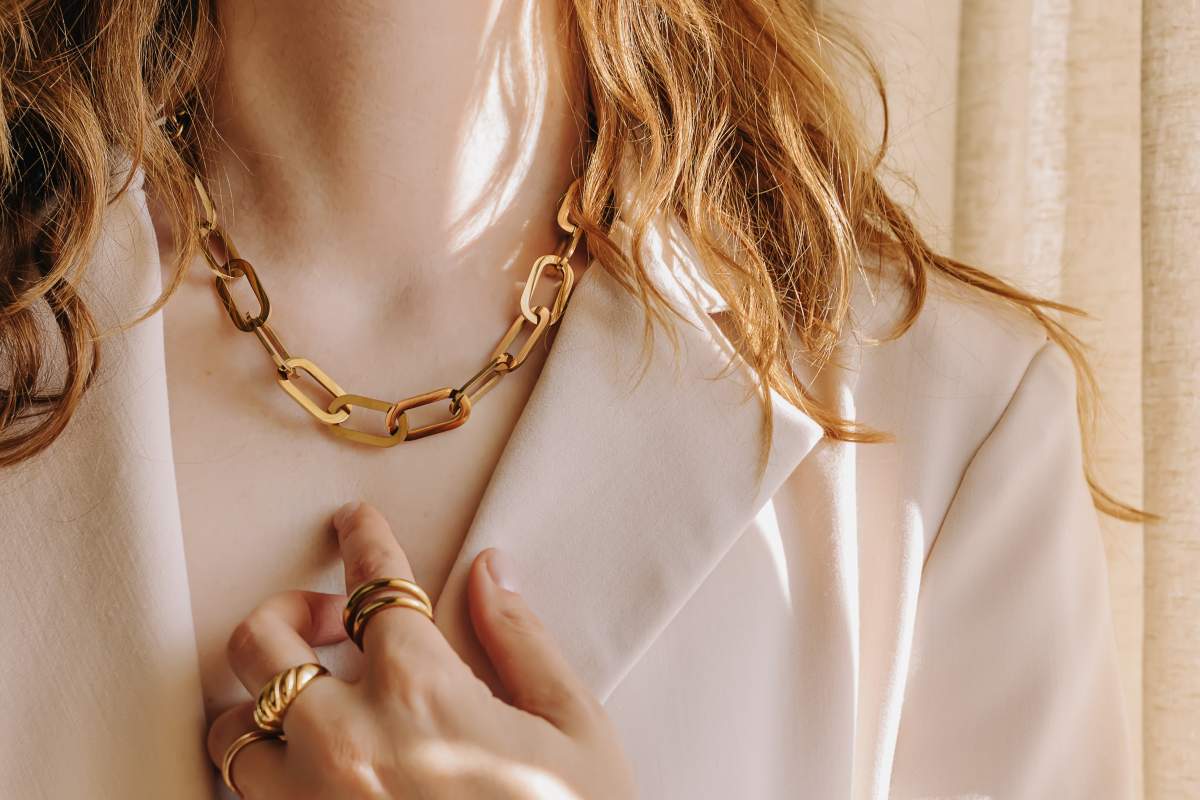
Mixed-metal jewelry often works best when the clothing is simple enough to let the combination show clearly. If the outfit already includes strong prints, unusual hardware, or several contrasting colors, limiting the jewelry palette may create a cleaner result.
The old idea that every metal must match exactly is no longer necessary. Consistency in scale and styling matters more than strict uniformity.
What are the most common jewelry-matching mistakes?
Several styling choices can make an outfit feel less balanced even when the jewelry itself is well made.
Wearing too many focal points: Large earrings, a prominent necklace, several bracelets, and multiple statement rings may compete for attention. Choose one main feature and let the other pieces support it.
Ignoring fabric weight: Fine chains can disappear against chunky sweaters, while large jewelry may overpower lightweight fabrics. Match the visual weight of the jewelry to the clothing.
Overlooking movement: Dangling pieces may catch on scarves, knitwear, or coat collars. Jewelry should suit the activities planned for the day.
Matching everything too literally: Jewelry in exactly the same color as the clothing can sometimes blend in rather than enhance it. Similarity and contrast should be balanced.
Forgetting comfort: A piece that pinches, feels heavy, snags fabric, or slips out of place will not look relaxed. Comfort affects posture and confidence, which are part of the finished appearance.
Using occasion-inappropriate pieces: Very delicate jewelry may feel lost at a formal event, while oversized or highly ornate pieces may be impractical for routine tasks.
How should jewelry change for work, casual settings, and formal occasions?
For work or other structured settings, jewelry usually looks most polished when it is proportionate and easy to wear. Small hoops, studs, a simple pendant, a watch, or a single ring can add refinement without becoming distracting.
Casual clothing allows more experimentation. Denim, knitwear, plain T-shirts, and relaxed layers can support textured metal, colorful stones, stacked bracelets, or mixed lengths of necklaces. Even in casual settings, one dominant element usually creates a more deliberate appearance than several competing pieces.
Formal clothing often benefits from fewer, more intentional choices. A dress with detailed beading or an embellished neckline may need only earrings. A simple dress can support a stronger necklace, gemstone color, or coordinated bracelet.
The occasion also affects practicality. Jewelry worn outdoors, during household tasks, or in cold weather should be secure and resistant to snagging. Pieces reserved for special events can be more delicate or visually elaborate.
How can someone choose jewelry quickly before leaving home?
Lay out the clothing first, then select one focal piece. After that, add only the jewelry needed to support it.
Check the result in natural light if possible. Indoor lighting can change how metal color and gemstones appear, while daylight gives a clearer sense of contrast. Look at the outfit from a short distance rather than examining each item separately.
A final check should include:
- Whether the necklace works with the neckline
- Whether the jewelry is comfortable for the planned activities
- Whether the metals and colors feel connected
- Whether one feature is clearly the main point of interest
- Whether the pieces suit the season and fabric weight
Good jewelry coordination is less about following permanent rules than about recognizing proportion, contrast, comfort, and context. With those principles in mind, the same jewelry collection can work across everyday clothing, seasonal layers, professional outfits, and special occasions.