

 See My Latest Article on HelloNation
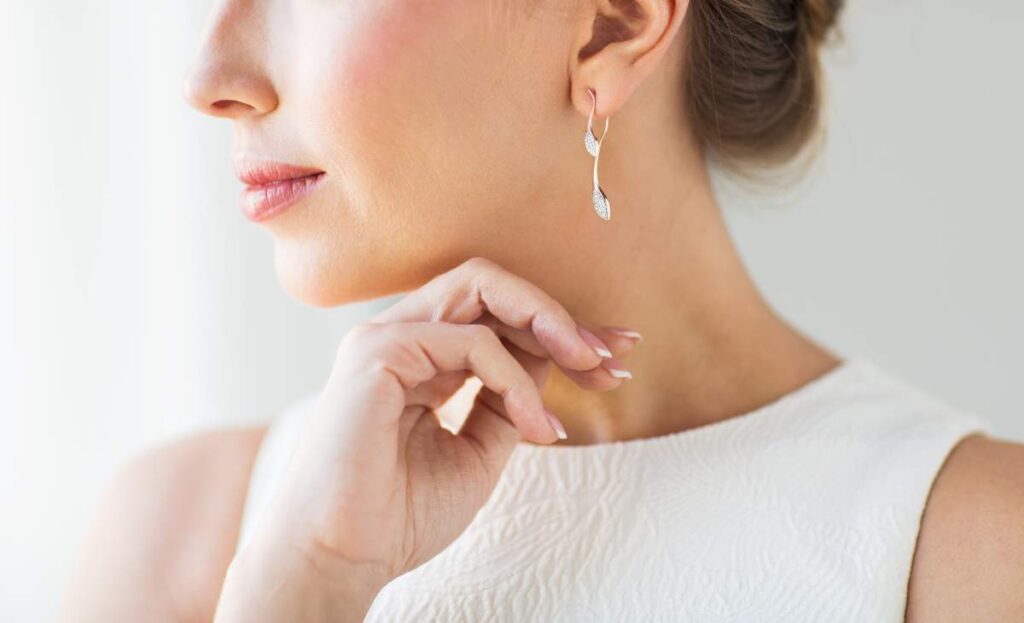
Choosing earrings that suit your face shape is less about following strict fashion rules and more about creating visual balance. The right pair can highlight the cheekbones, soften angular features, add length to a shorter face, or bring attention toward the eyes.
Face shape is only one factor. Hairstyle, neck length, personal style, earring weight, metal color, and everyday comfort all affect how a pair looks and feels. For residents in Auburn, IN, seasonal clothing can matter, too. Earrings worn with winter scarves, heavier layers, or hats may need different proportions than earrings chosen for warm-weather clothing.
How can you identify your face shape?
The easiest method is to look at the overall outline of the face rather than focusing on individual features. Pull the hair away from the face and compare the width of the forehead, cheekbones, and jawline with the length from the hairline to the chin.
Most faces fall generally into one of these categories:
- Oval: The face is longer than it is wide, with gently rounded jaw and forehead lines.
- Round: The width and length are similar, with fuller cheeks and a softly curved jaw.
- Square: The forehead, cheekbones, and jaw are similar in width, with noticeable angles.
- Heart-shaped: The forehead is wider than the chin, which is often narrower or more pointed.
- Long or rectangular: The face is noticeably longer than it is wide, with relatively straight sides.
- Diamond-shaped: The cheekbones are the widest area, while the forehead and chin are narrower.
Many people have a combination of shapes. A face may be mostly oval with a slightly pointed chin, or mostly square with rounded edges. The goal is not to assign a perfect category but to notice which earring proportions create the effect you prefer.
Which earrings work well with an oval face?
Oval faces are naturally versatile because the forehead and jaw tend to be balanced. Most earring styles can work, including studs, hoops, drops, chandeliers, and geometric designs.
To preserve that balance, consider earrings that are similar in width and length or that add a controlled amount of detail. Medium-size hoops, pearl drops, oval shapes, and softly angular designs can all complement an oval outline.
Very long earrings may still look attractive, but they can make the face appear longer. If that is not the desired effect, choose a shorter drop or a design with some width rather than a narrow, straight line.
What earrings flatter a round face?
Longer earrings often complement round faces by adding visual length. Slim drops, elongated ovals, narrow rectangles, and linear designs can draw the eye downward and create contrast with fuller cheeks.
Earrings that have a pointed or tapered lower section can also add definition. A medium-length drop may be more flattering than a very short, wide style.
Round faces do not need to avoid hoops entirely. Oval hoops or larger hoops with a relatively narrow profile can work well. Very small circular studs may blend into the shape of the face, while extremely wide round earrings can emphasize its width. The most useful guideline is to look for length or vertical movement.
Which styles balance a square face?
Square faces often have a defined jawline and similar width through the forehead, cheekbones, and lower face. Rounded earrings can soften that structure, especially curved hoops, teardrops, pearls, and oval drops.
A medium or longer earring can help draw attention away from the strongest horizontal lines. Designs with curves or gentle movement are usually more harmonious than very rigid squares or sharp rectangles.
That does not mean angular jewelry is off-limits. If a geometric look is preferred, consider mixed shapes, softened corners, or designs with a curved element. A square face can carry bold earrings effectively; the main consideration is whether the style repeats the face’s angles or creates pleasing contrast.
How should earrings be chosen for a heart-shaped face?
Heart-shaped faces are often wider at the forehead and narrower toward the chin. Earrings that add visual width near the lower part of the face can create balance.
Teardrops, chandelier earrings, triangle shapes with the widest part at the bottom, and rounded drops are useful choices. These styles guide attention downward and visually support a narrower chin.
Small studs and narrow earrings can also be attractive, especially for understated daily wear. If the goal is balance rather than minimalism, avoid relying only on earrings that are widest near the top. Designs that expand toward the bottom generally provide more proportion.
What works best for a long or rectangular face?
For a long face, earrings with width can create a more balanced appearance. Medium hoops, clustered studs, rounded drops, and shorter chandelier styles may work particularly well.
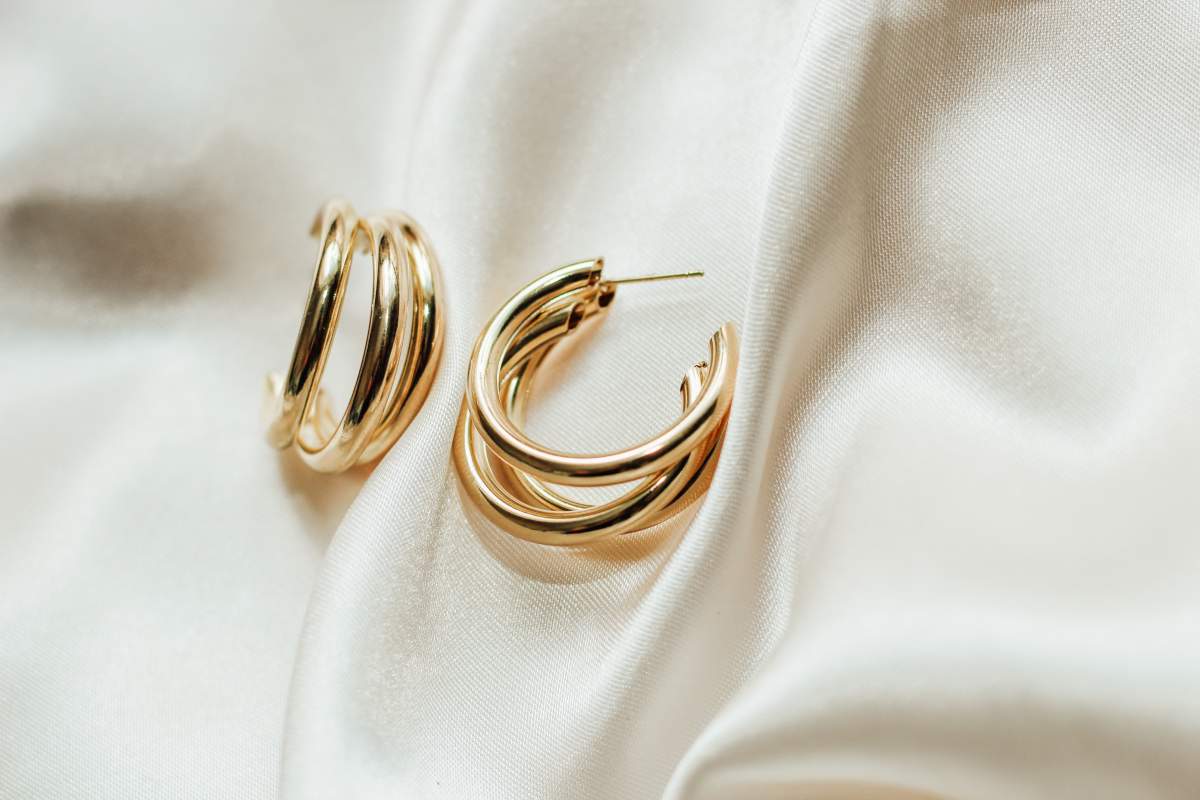
Wide designs draw attention outward rather than adding more vertical length. Earrings that sit around the lower earlobe or jawline can also provide visual fullness.
Very long, narrow earrings may make the face appear longer. If a dramatic drop is appealing, choose one with curves, multiple layers, or a wider silhouette instead of a single thin line.
Which earrings suit a diamond-shaped face?
Diamond-shaped faces are usually widest at the cheekbones, with a narrower forehead and chin. Earrings that soften the cheek area and add gentle width above or below it can create balance.
Oval drops, curved designs, small-to-medium hoops, and earrings that are wider at the bottom are often effective. A combination of rounded and tapered details can complement the natural angles without making the face appear sharper.
Very wide earrings that line up exactly with the cheekbones may emphasize that width. If that is the desired look, it can be a dramatic choice; otherwise, select a design that extends slightly above or below the widest part of the face.
Do hairstyle, neckline, and clothing change the best choice?
Yes. Earrings should be considered with the entire area around the face, not the face shape alone.
Short hair or pulled-back hair makes earrings more prominent, while longer hair can partially cover small or delicate styles. A high neckline may compete with a long drop, whereas an open neckline can give a statement earring more space.
Seasonal clothing also affects comfort and visibility. In Auburn, colder months may involve scarves, coats, knit hats, and higher collars. Small hoops, secure studs, or shorter drops are less likely to catch on fabric. During warmer months, longer earrings may be easier to see and wear with lighter clothing.
Glasses, hair texture, and headwear should also be considered. An earring that looks balanced in a photograph may feel crowded when combined with eyeglass frames or thick hair.
How do you choose earrings for everyday comfort?
A flattering shape is not useful if the earrings are uncomfortable. Check the weight, post or hook design, backing, and length before making a choice.
For daily wear, lightweight metals, hollow construction, small hoops, and secure backs may be practical. Heavy earrings can pull on the earlobe and may become uncomfortable after several hours. Longer designs should have enough movement to be attractive without constantly catching on hair or clothing.
People with sensitive ears should pay attention to the metal composition and avoid wearing any pair that causes itching, redness, swelling, or pain. A persistent reaction is a reason to stop wearing the earrings and seek appropriate medical guidance.
Is face shape the most important factor?
No. Personal preference and comfort matter more than a fixed style rule. Face-shape guidelines are useful for understanding proportion, but they should not limit experimentation.
A person with a round face may enjoy bold circular hoops. Someone with a square face may prefer structured geometric earrings. The most successful choice is often the pair that feels comfortable, suits the wearer’s wardrobe, and creates the intended impression.
A simple starting point is to compare opposites: longer styles for rounder faces, rounded styles for more angular faces, wider designs for longer faces, and lower-weight designs for faces that are wider near the forehead. From there, adjust based on hairstyle, clothing, occasion, and personal taste.