
 See My Latest Article on HelloNation
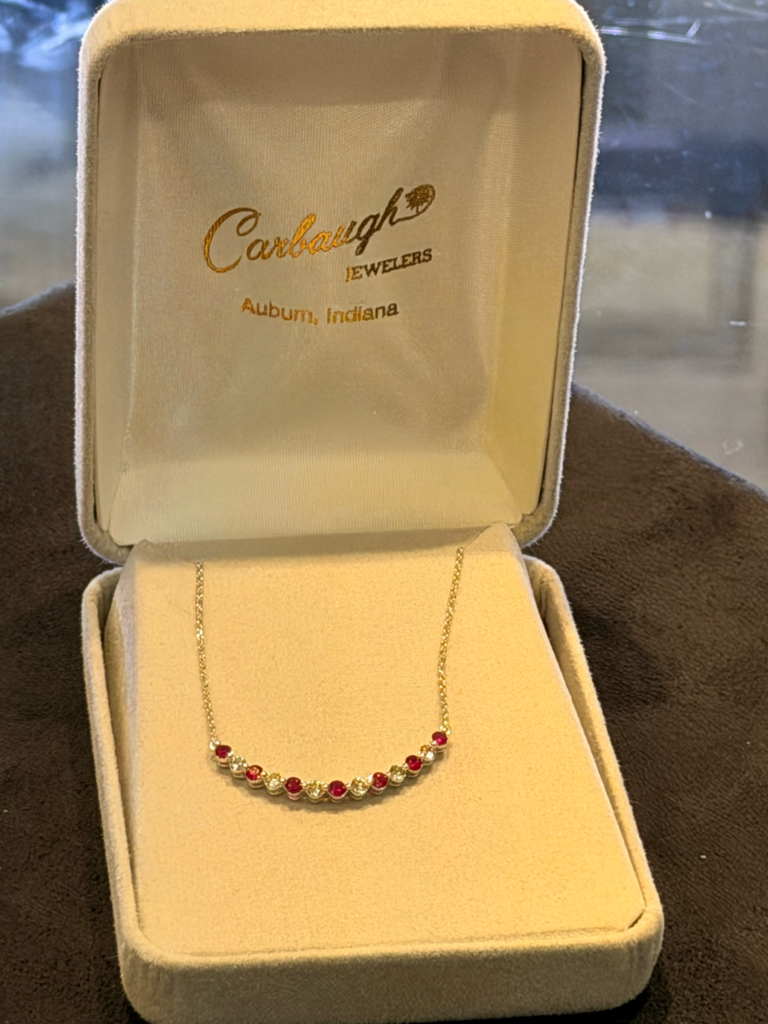
What Sets Fine Jewelry Apart?
Fine jewelry is defined by its use of precious metals—like gold, platinum, and sometimes sterling silver—and genuine gemstones such as diamonds, sapphires, and emeralds. Residents of Auburn, IN asking about longevity and heirloom quality jewelry will find that fine jewelry stands out for both durability and value retention.
Unlike fashion or costume pieces, fine jewelry items are crafted to last for decades, often handed down through area families for generations. The metals and stones used are not only beautiful but able to withstand frequent wear. Auburn’s occasionally humid summers and cold, dry winters make metal purity and craftsmanship important, as lower-quality metals may tarnish or corrode more quickly in local conditions.
How Is Fashion Jewelry Different?
Fashion jewelry (sometimes called “bridge jewelry”) bridges the gap between fine and costume styles in both materials and price. These pieces often use a combination of base metals—like stainless steel, brass, or copper—sometimes with a light plating of gold or silver. Gemstones are typically simulated, like cubic zirconia or glass, though some may use lower-cost genuine gems.
Fashion jewelry is designed to give the look of fine jewelry at a much lower cost. For Auburn area residents wanting something stylish for occasional wear or seasonal trends, these pieces allow affordable variety without the investment of fine jewelry. However, unlike heirloom pieces, fashion jewelry is less likely to withstand years of daily use. Finishes can fade, and settings may loosen with regular wear or frequent exposure to moisture, making it a consideration for those who lead active lifestyles or spend time outdoors during the wet Indiana spring.
What Exactly Is Costume Jewelry?
Costume jewelry uses inexpensive, non-precious materials. Most pieces are made from base metals like nickel alloys or plastic, combined with synthetic or non-gemstone ornaments such as acrylic stones, rhinestones, or beads. Painted finishes or colored enamels are also common.
This type of jewelry is all about fun and accessibility. In the Auburn community, costume jewelry is commonly chosen for events like seasonal festivals, holiday parties, or occasions where losing or damaging a piece wouldn’t be a significant setback. It’s popular among younger audiences—like local students attending formals—or anyone looking for bold styles without the need for lasting value. However, items may cause skin irritation in those with metal sensitivities and typically offer little to no resale value.
Which Should Local Residents Choose for Everyday Wear?
For jewelry that can handle the daily habits and climate of a typical household in the city, fine jewelry is the most reliable choice. Gold, platinum, and natural gemstones can tolerate regular cleaning and exposure to everything from gardening tasks to seasonal celebrations.
Fashion jewelry can be a sensible option for those who like to swap styles or who may misplace pieces during local recreation. Area residents should check for hypoallergenic coatings, particularly if sensitive to nickel or other common base metals.
Costume jewelry is best reserved for occasions when durability and long-term comfort are less of a concern. Those with sensitive skin or allergies should read labels carefully and consider clear nail polish or protective strips to avoid reactions.
Are There Common Misconceptions about These Jewelry Types?
A frequent misconception in the community is that all gold-tone jewelry is solid gold. Gold-plated or gold-filled fashion jewelry may look identical to the untrained eye, but wears differently over time, especially with friction and damp weather. Similarly, synthetic gems can appear much like precious stones but lack the hardness necessary for everyday use.
Another myth is that only expensive jewelry is worth insuring. While fine jewelry holds appraised value and is commonly listed on homeowners’ or renters’ insurance in the city, some specialty or high-quality fashion jewelry could also be worth protecting from loss or theft under certain policies.
What Local Considerations Affect Jewelry Choice?
Auburn’s distinct seasonal swings—from summer festivals to winter snow—mean residents benefit from choosing pieces made to handle sweat, fluctuating humidity, and exposure to cold. Households with young children or active pets often find sturdy, low-profile jewelry safest for daily use to prevent accidental snags or loss.
Storage practices also matter. Fine jewelry should be kept in a dry, secure place, ideally in a fabric-lined box to avoid scratches. Fashion pieces last longer if kept away from water, perfumes, and lotions, which can tarnish finishes. Costume jewelry should be thoroughly dried before storage to prevent discoloration or rusting, especially after community events or outdoor activities.
How Can You Identify Each Jewelry Category?
Understanding the materials is key when shopping or sorting through inherited items:
- Fine jewelry carries hallmarks or stamps showing the metal’s purity (like “14K” for gold).
- Fashion jewelry may be labeled as “sterling plated,” “gold-filled,” or simply “costume.” The weight and feel can also hint at quality—fine jewelry is usually heavier and more solid.
- Costume jewelry often lacks markings and feels lighter or less substantial, with glued, molded, or painted elements instead of prong-set stones.
When in doubt, testing at a reputable lab can distinguish solid precious metals and genuine gemstones from imitations, but visual cues are often enough for casual needs.