

 See My Latest Article on HelloNation
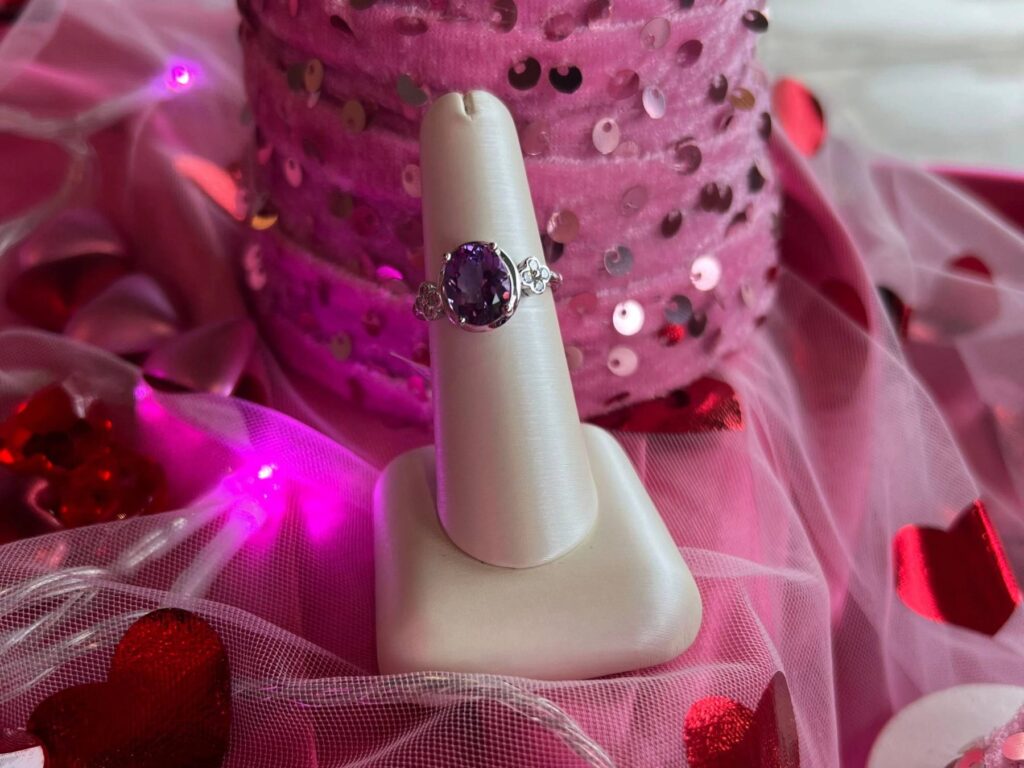
Can You Tell If a Gemstone Is Natural Just by Looking?
Most natural and treated gemstones look nearly identical to the untrained eye. While some obvious signs like intense, uniform color or surface coatings might raise questions, most treatments are invisible without the right tools. Residents interested in fine jewelry often wonder if their gemstones have been altered, but simple observation isn’t enough for confident answers.
Visual clues can be subtle. A gemstone with unnaturally vivid or uniform color, or one that displays glassy coatings or dye concentrations around cracks, might be suspect. However, genuine natural stones sometimes appear flawless, while many treated stones look convincingly authentic.
What Are Common Treatments for Gemstones?
Many gemstones are routinely treated to enhance their color, clarity, or durability. Some treatments have been used for centuries, while others rely on modern technology.
- Heat Treatment: Used to intensify or alter colors, especially in sapphires, rubies, and amethysts. The process is stable and permanent but usually not detectable without laboratory analysis.
- Dyeing: Stones like agate, jade, and turquoise may be dyed to improve color. Intense, unnatural hues or uneven color saturation can be a sign.
- Fracture Filling: Fills internal cracks with glass or resin to improve appearance. You might notice a slight flash or color change inside the stone when tilted under good lighting.
- Irradiation: Affecting color, often in blue topaz and some diamonds. Not visible to the naked eye.
- Coating: Thin layers applied to enhance color or create iridescence, as sometimes seen in mystic topaz or quartz.
For most city residents, knowing the type of stone and typical treatment practices can help manage expectations and guide further investigation.
How Do Jewelers and Labs Test for Treatments?
Gemstone identification and treatment detection often require professional tools or laboratory testing. While most households don’t have access to advanced equipment, understanding the basics can help when discussing jewelry with gemologists or local experts.
- Magnification: A jeweler’s loupe (10x) or microscope can reveal inclusions, surface cracks, bubbles (which may indicate glass), or filled fractures.
- Ultraviolet (UV) Light: Some treatments, like radiation, change how a stone fluoresces under UV light—though this isn’t foolproof.
- Spectroscopy: Labs may use this to spot tell-tale features of dyes, heat, or coatings.
- Refractometer and Polariscopes: These measure optical properties to check identity or detect treatments.
Auburn households choosing to invest in higher-value stones might consider having important gems analyzed by a reputable gemological laboratory, especially if the purchase is for insurance or legacy reasons.
What Are Typical Signs a Gemstone Might Be Treated?
While laboratory confirmation is gold standard, the following practical checks can be attempted at home or during local jewelry shows and community events:
- Color Zoning: Uneven, patchy color can indicate a dye or heat treatment.
- Surface Features: Look for chips, scratches, or worn areas that expose different color beneath, suggesting a surface coating or dye.
- Air Bubbles: Can sometimes be seen in fracture-filled stones or imitations, not usually in natural gems.
- Flash Effect: A rainbow-like flash inside a stone may point to glass filling, especially in rubies or sapphires.
- Price and Availability: Gemstones offered at low prices despite intense color or perfect clarity may have been treated or are synthesized.
For the local community, practical observation combined with honest communication from trusted sellers can offer some peace of mind, but treatments performed decades ago can sometimes go undetected even by seasoned jewelers.
Are Treated Gemstones Worth Less or Unsafe?
Not all treatments negatively impact value or safety. Some, such as heat treatment in sapphires, are market-accepted and disclosed routinely. Others, like fracture filling in emeralds, generally reduce value compared to untreated material.
Treated gemstones are not inherently unsafe for everyday wear, but some enhancements (such as certain coatings or resins) may require more gentle care:
- Avoid ultrasonic cleaners for filled or coated gems; stick to mild soap and water.
- Prolonged exposure to sunlight can fade dyed stones.
Auburn residents should ask about care instructions for each piece, especially for family jewelry or items worn frequently.
What Should You Ask When Buying Gemstones Locally?
Knowing the right questions can help area shoppers avoid common misunderstandings, especially as the city’s jewelry market grows more sophisticated. Consider these points:
- Ask directly if the stone is treated, and what kind of treatment it received.
- Request any supporting documentation, such as identification reports or certifications.
- Learn about typical treatments for the type of stone you are considering.
- Inquire about care and cleaning requirements.
- Be cautious of vague or evasive answers—most reputable sources consider full disclosure a matter of honesty.
Local buyers hoping to pass jewelry down to family members, or those seeking insurance coverage for their valuables, should keep records of any guarantees or disclosures provided at purchase.
Why Does Knowing Gemstone Treatments Matter Locally?
Understanding gemstone treatments supports better long-term stewardship of fine jewelry in the community. Family traditions, milestone gifts, and estate collections all benefit from transparency about a gemstone’s history and qualities.
Since Auburn’s seasonal temperature shifts can affect jewelry storage and wear habits, knowing if a gem has coatings or surface treatments helps avoid accidental damage. Awareness can also support more informed, confident visits to local events such as holiday craft fairs or antique shows, where treated and untreated stones are often sold side-by-side.