

 See My Latest Article on HelloNation
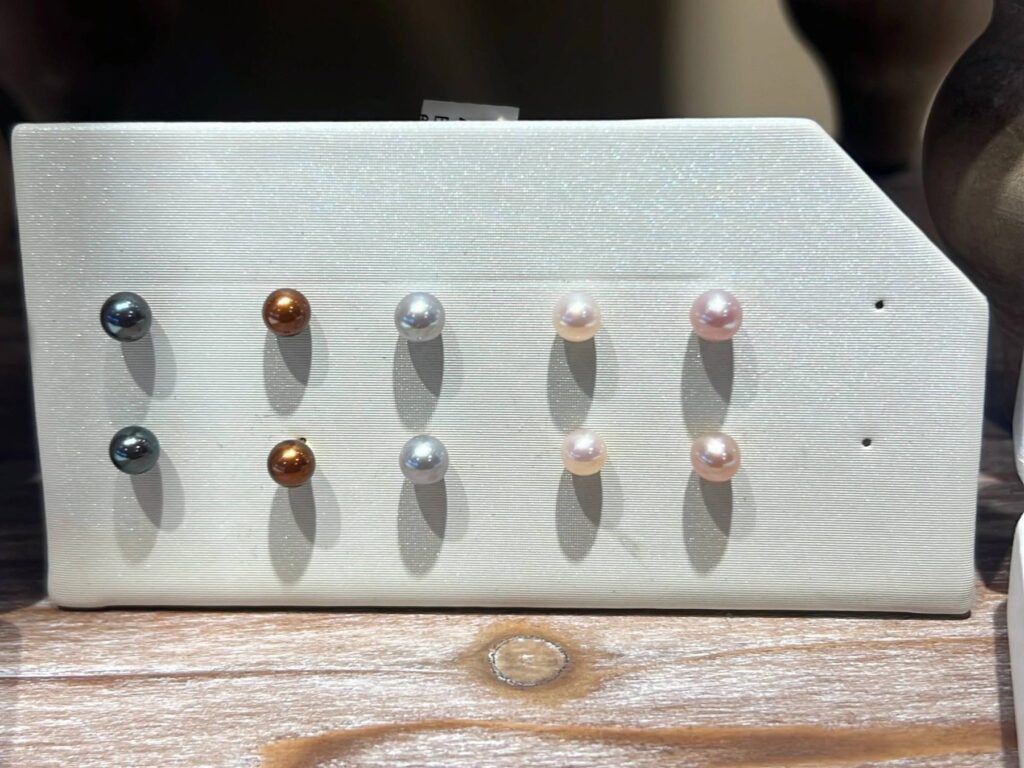
What Makes Pearls Unique and Why Do They Need Special Care?
Pearls are organic gemstones, formed inside mollusks and renowned for their gentle luster and soft surface. Unlike hard stones such as diamonds or sapphires, pearls are more susceptible to damage from abrasion, chemicals, and even changes in humidity—factors that are often present in households and daily environments found in Auburn, IN. Their delicate nature calls for mindful care and proper handling to ensure they retain their natural beauty for generations.
How Should Pearls Be Cleaned at Home?
Wiping pearls with a soft, damp cloth after wear is usually all that’s needed for routine cleaning. For Auburn residents, where humidity can fluctuate between seasons, avoid soaking pearls in water, as excess moisture can weaken the silk thread used in traditional stringing:
- Use only lukewarm water if a deeper clean is required.
- Avoid soap, detergent, or commercial jewelry cleaners unless they're specifically labeled safe for pearls.
- Lay pearls flat on a soft towel and allow them to air-dry completely before storing.
Never use ultrasonic cleaners or harsh chemicals, which can permanently dull the surface. Regular wipe-downs are especially helpful after exposure to hairspray, perfume, or sweat—common during humid Indiana summers or indoor heating seasons.
What’s the Best Way to Store Pearls at Home?
Pearls require a bit more attention when it comes to storage than most jewelry. Storing them in a dry, airtight container can cause them to dehydrate and risk cracking, while leaving them exposed may increase the chance of scratches. For residents in Auburn:
- Place pearls in a fabric-lined box or a soft pouch, separate from other items.
- Consider keeping pearls in a slightly humidified environment, especially during winter heating months.
- Avoid hanging pearl necklaces for long-term storage; this prevents unnecessary stress on the silk thread.
Positioning pearls where they are not exposed to direct sunlight or intense cold is beneficial, especially in homes where temperature changes are frequent.
Can Pearls Be Worn Every Day? What Precautions Are Helpful?
Pearls are suitable for daily wear but require extra mindfulness compared to other jewelry. Putting on pearls last—after makeup, hairspray, or perfume—is a practical habit to minimize contact with potential irritants. While Auburn is a close-knit, active community, consider these specific scenarios:
- Remove pearls before gardening, cleaning, swimming, or exercising.
- Wipe them gently after each use, especially during summer outdoor events or wintertime indoor gatherings.
- Avoid wearing pearls under heavy scarves, bulky sweaters, or clothing with rough textures that may snag or scratch.
These practices help prevent accidental surface damage, keeping pearls lustrous for longer.
What Local Environmental Factors in Auburn Affect Pearl Jewelry?
Auburn’s seasonal climate, featuring humid summers and cold, dry winters, can influence pearl condition. High indoor heating in winter may dry pearls, while summer heat and local outdoor activities can lead to more frequent contact with body oils and perspiration. Local households should be aware:
- Monitor the humidity of jewelry storage areas; moderate humidity is ideal for pearls.
- During the dry winter, a small cup of water kept nearby in jewelry storage can help maintain moisture in the air.
- In summer, avoid leaving pearls in vehicles or outdoors, where heat and sunlight may accelerate aging.
How Can Pearls Be Styled for Everyday and Special Occasions?
Pearls are versatile, suiting a range of looks from formal events to casual gatherings. Auburn residents often appreciate classic and understated style, making pearls a popular choice for community celebrations, family milestones, or day-to-day elegance:

- Pair a single strand necklace with blouses or sweaters for subtle sophistication.
- Combine pearl studs with casual or business attire for a refined touch.
- Layer pearls with other fine gold or silver pieces for modern, balanced styling.
- For special occasions, longer strands or multi-layered bracelets can add visual interest without overwhelming.
Pearls adapt well to local seasonal wardrobes—complimenting lighter colors in spring and summer, and providing a gentle contrast against deeper tones in autumn and winter.
What Are Common Misconceptions About Pearls?
A few frequent misunderstandings can impact pearl longevity or enjoyment:
- Pearls do not improve with age unless worn—gentle, regular wear actually maintains their moisture content.
- Cleaning pearls in hot or soapy water is not safe; such exposure risks dullness and thread damage.
- Pearls are not only for formal events—modern styles fit everyday Auburn living.
- Sturdy cases designed for diamonds or metals are not suitable for pearl storage without a soft lining.
Awareness of these points helps local jewelry owners avoid preventable damage and get the most from their pieces.
When Should Pearls Be Restrung or Checked for Wear?
Even with careful home care, pearl necklaces and bracelets need occasional restringing, typically every one to two years depending on frequency of wear. In Auburn, with active community participation and seasonal gatherings, check for:
- Visible fraying or discoloration of the silk thread.
- Gaps between pearls, indicating loosened knots.
- Pearls moving freely along the string, rather than snugly knotted.
Periodic inspection helps prevent unexpected breakage at home or during public events and ensures that treasured pearl strands remain both secure and elegant.