
 See My Latest Article on HelloNation
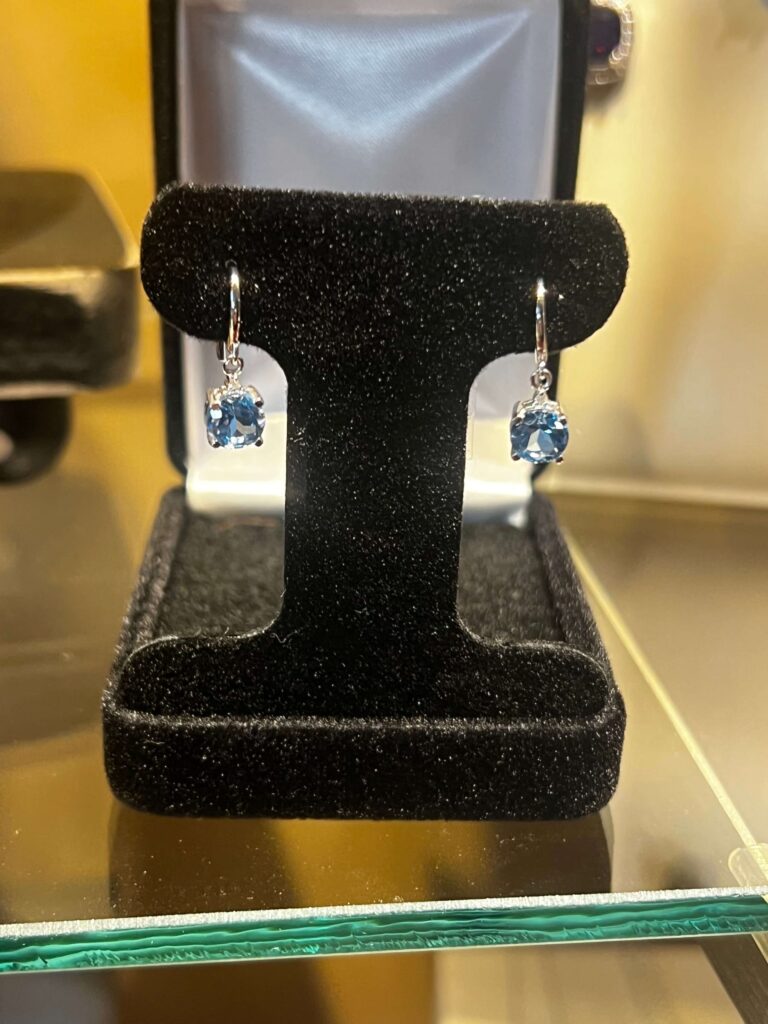
A jewel can be rare because very few examples exist, because the material is difficult to obtain, or because an unusual combination of qualities appears in one piece. Rarity is not determined by price alone. A costly jewel may be valuable because of craftsmanship, demand, history, or fashion, while a less expensive stone may be genuinely scarce.
For residents of Auburn, IN, understanding the difference between rarity, beauty, quality, and market value can make jewelry descriptions easier to evaluate and family pieces easier to research.
What does “rare” mean in fine jewelry?
A rare jewel has limited availability compared with similar examples. That limitation may come from nature, human history, mining conditions, or the way a finished piece was created.
Rarity can apply to several parts of jewelry:
- The gemstone itself may be uncommon.
- The color or pattern may occur in very few stones.
- The size may be unusual for that material.
- The stone may have exceptional clarity, transparency, or durability.
- The jewelry may be an uncommon historical design.
- The piece may have documented ownership or cultural significance.
A jewel does not need to be flawless to be rare. Some natural features, such as unusual color zoning, distinctive inclusions, or an uncommon crystal pattern, may make a stone more identifiable and desirable.
Is a rare gemstone the same as an expensive gemstone?
No. Rarity and price are related, but they are not identical.
Price is influenced by supply and demand, public interest, craftsmanship, gemstone quality, fashion, origin claims, and the reputation of a particular material. A stone can be uncommon but have limited demand. Another stone may be relatively available but command a high price because many buyers want it.
For example, a gemstone’s value may rise when it combines scarcity with strong color, good transparency, attractive cutting, durability, and reliable documentation. If only one of those factors is present, the stone may be interesting without being especially valuable.
A useful question is not simply, “Is this rare?” but rather, “What specific feature is uncommon, and how has that feature been verified?”
Which gemstone qualities make a jewel rare?
Rarity usually comes from a combination of characteristics rather than one isolated trait.
Color
Color is often the most visible factor. A particular hue may be uncommon, especially when it is vivid, evenly distributed, and natural rather than produced by treatment.
Some colors are rare because trace elements entered the crystal during formation. Others result from unusual geological conditions. Even within the same gemstone variety, a slight change in color can greatly affect availability and demand.
Size
Large, transparent crystals are difficult to find in many gemstone materials. A small stone may be relatively common, while a much larger stone with similar quality may be exceptionally scarce.
Size alone does not establish rarity. A large gemstone with poor clarity, unattractive color, or extensive damage may not be considered especially desirable.
Clarity and transparency
Clarity describes the presence of internal features or surface marks. Some gemstones are expected to contain inclusions, and those features may help confirm natural origin. In other materials, eye-clean examples are difficult to obtain.
Transparency can also matter. A stone with strong color and good light passage may be much less common than one that appears cloudy or dull.
Cut and optical effect
A rare combination of natural material and visual behavior can increase interest. Examples include strong color change, chatoyancy, asterism, iridescence, or a sharply visible optical pattern.
Cutting also affects rarity. A cutter may preserve weight by using a simple shape, while a more precise cut may create stronger brilliance but remove more rough material. A well-cut stone is not automatically rare, but exceptional rough material that supports an unusual and successful cut may be.
Does a gemstone’s origin make it rare?
Origin can contribute to rarity, but an origin label is not proof by itself.
Certain geological regions are known for producing distinctive colors or characteristics. However, a gemstone described as coming from a particular place should ideally have supporting documentation from a qualified laboratory or reliable chain of records. Visual inspection alone usually cannot establish origin with certainty.
Origin also should not be confused with quality. A gemstone from a well-known source can be ordinary, while a stone from a less publicized source can be remarkable. The stone’s measurable and visible characteristics remain important.
Why are natural gemstones often considered rarer than lab-grown stones?
Natural gemstones formed through geological processes over very long periods. Their availability depends on whether suitable material was created, preserved, discovered, mined, and successfully cut.
Lab-grown gemstones can have essentially the same chemical composition and crystal structure as their natural counterparts, depending on the material and manufacturing method. They may be beautiful and durable, but they are produced under controlled conditions, so supply is not limited in the same way.
This distinction does not mean that lab-grown jewelry is inferior. It means that natural rarity and laboratory production are different concepts. A buyer reviewing an appraisal, insurance document, or inherited jewelry should look for clear identification of whether a stone is natural, lab-grown, or treated.
Can an old or antique jewel be rare even if the gemstone is common?
Yes. The rarity may belong to the jewelry design, workmanship, history, or survival of the piece rather than to the gemstone.
A jewel may be unusual because it:
- Represents a short-lived design period.
- Uses an uncommon construction method.
- Contains hand-finished details rarely seen in modern production.
- Has an unusual combination of gemstones and metals.
- Retains its original condition.
- Has reliable documentation connecting it to a notable person or event.
Age alone does not make jewelry rare. Many older pieces were made in large quantities. Conversely, a newer one-of-a-kind piece can be rare because its design, materials, or production method cannot easily be replicated.
What is the difference between rarity and provenance?
Rarity describes how uncommon an object or feature is. Provenance describes its documented history of ownership, use, or origin.
A family ring may have meaningful provenance if records, photographs, inscriptions, or written accounts connect it to relatives or a significant event. That history can add cultural or emotional importance, even when the gemstones are widely available.
Provenance is strongest when supported by dated documents, original receipts, photographs, estate records, or consistent family accounts. A story passed down without documentation may still matter personally, but it is less useful for establishing historical authenticity or market significance.
How can someone evaluate a claim that a jewel is rare?
Start by identifying the exact material and the feature said to be uncommon. “Rare stone” is too vague to evaluate. More useful descriptions identify the gemstone variety, whether it is natural or lab-grown, any treatments, weight, color, clarity, and claimed origin.
Look for documentation that separates observation from opinion. A grading report may describe measurable characteristics, while an appraisal may provide an opinion of value for a specific purpose. These documents are not interchangeable.
It is also wise to be cautious with claims such as:
- “One of a kind” without an explanation of what makes it unique.
- “Untreated” without laboratory support when treatment is common.
- “Rare color” without a clear comparison standard.
- “Old mine” or “antique” used as a general sales phrase rather than a documented description.
- A high price presented as proof of scarcity.
A jeweler’s rarity claim should be specific enough that another qualified examiner could understand what is being claimed and how it might be tested.
How should rare jewelry be cared for at home?
Rare does not always mean fragile, but unusual or historically important jewelry deserves careful handling. Keep pieces separate so harder materials do not scratch softer ones, and avoid exposing unknown gemstones to sudden temperature changes, harsh chemicals, or ultrasonic cleaning.
Seasonal conditions can also affect jewelry habits in Auburn. Winter heating can dry skin and increase the use of lotions, while summer perspiration, sunscreen, and outdoor activity can leave residue on rings and bracelets. Remove jewelry before swimming, cleaning, heavy yard work, or activities that may cause impact.
For inherited or unusually valuable pieces, keep records of photographs, measurements, inscriptions, reports, and purchase or family documents. Documentation helps preserve the story of the jewel and makes future identification more reliable.
A truly rare jewel is defined by a specific, supportable reason for its scarcity. The strongest evaluations consider the material, quality, treatment, age, workmanship, history, and documentation together rather than relying on an impressive label alone.