

 See My Latest Article on HelloNation
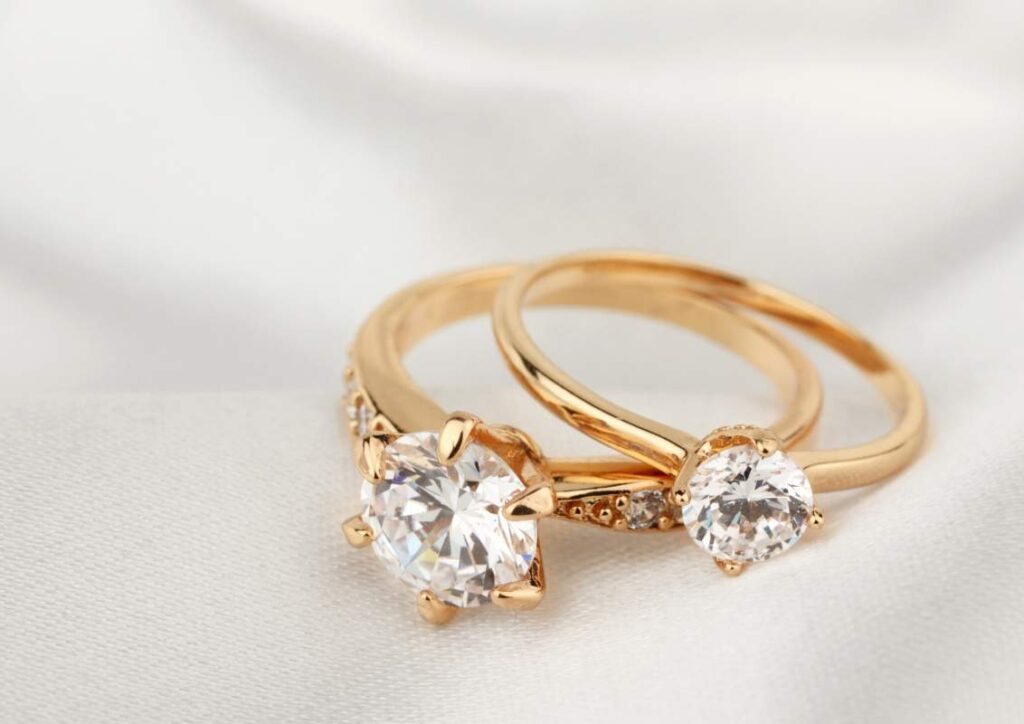
Old jewelry does not have to remain in its original form to preserve its meaning. A wedding ring can become a pendant, mismatched earrings can be combined into a new pair, and inherited stones can be reset into a design that better fits modern daily life.
Repurposing is different from simply selling unwanted pieces or replacing them with new jewelry. It involves evaluating the existing metal, gemstones, craftsmanship, and sentimental value, then planning a new design around what can safely and attractively be reused.
What does repurposing old jewelry involve?
Repurposing old jewelry means transforming an existing piece or its components into something with a different appearance or function. The original item may be redesigned completely, or only selected elements may be retained.
Common examples include:
- Turning a ring into a pendant or pair of earrings
- Combining stones from several family pieces into one design
- Reusing gold from outdated bands in a new setting
- Creating a stackable ring from a single larger ring
- Resetting a gemstone into a lower-profile style
- Converting a brooch into a pendant, pin, or decorative element
- Using small diamonds or colored stones in a cluster or geometric pattern
The result may look entirely different from the original jewelry while still carrying its history.
Which parts of old jewelry can be reused?
Gemstones are often the easiest components to reuse, but they are not automatically suitable for every new design. Their condition, size, shape, hardness, and previous wear all matter.
Gold, platinum, and some other precious metals may also be reused. However, old metal is usually melted, refined, or combined with new material rather than simply reshaped as one uninterrupted piece. Solder joints, hidden repairs, alloy composition, and thinning from wear can affect how the metal behaves.
Potentially reusable components include:
- Diamonds and other durable gemstones
- Engraved sections of a band
- Decorative filigree
- Signet faces
- Lockets and meaningful interior plates
- Stone settings that remain structurally sound
- Chains, clasps, and connecting elements
Pearls, opals, turquoise, emeralds, and other more delicate materials require special care. Heat, chemicals, pressure, or repeated handling may damage them. Some older stones may also have treatments that affect how they can be safely reset.
How can someone tell whether a gemstone is suitable for redesign?
A gemstone should be examined for chips, scratches, loose areas, fractures, and signs of previous repair before it is placed into a new setting. A stone that survived decades in an old ring may still have hidden weaknesses caused by impact or wear.
The shape of the stone also influences design options. Round stones can fit many standard layouts, while unusual shapes may work best in custom settings. A gemstone with a shallow or unusually deep cut may need a particular mounting to protect it and show it attractively.
Color matters as well. Stones from several pieces may not match perfectly, even if they appear similar at first glance. Slight differences in tone, clarity, or size can affect whether they look balanced in a new arrangement.
A useful evaluation considers:
- The gemstone’s durability
- Existing damage or inclusions
- The condition of the edges and corners
- Whether the stone has been treated
- How it was previously mounted
- The intended use of the redesigned jewelry
A piece worn every day generally needs more protection than jewelry reserved for occasional events.
Can inherited jewelry be modernized without losing its sentimental value?
Yes. A redesign can preserve the most meaningful feature while updating the overall style. The sentimental element might be a gemstone, an engraved date, a portion of the original band, or even a small hidden detail placed inside the new piece.
For example, an old ring with an ornate setting may be simplified while retaining its center stone. A family diamond may be placed in a clean bezel setting, while a section of the original engraving is incorporated inside the band. Several small stones from relatives may be arranged in a pattern that represents different family members.
Not every part has to be visible for the history to remain meaningful. Some people prefer a discreet reminder rather than a design that visibly resembles the original jewelry.
Before redesign begins, it helps to document the piece with photographs and written notes. Family stories, inscriptions, dates, and the identity of the previous owner can be recorded separately so that the background is not lost if the physical form changes.
What design choices make old jewelry easier to wear today?
Modern lifestyles often favor lower-profile, durable, and adaptable jewelry. A tall ring setting may catch on gloves, sweaters, or household materials. A long pendant may be attractive but less practical for frequent wear. Jewelry intended for daily use should be designed around comfort, movement, and maintenance.
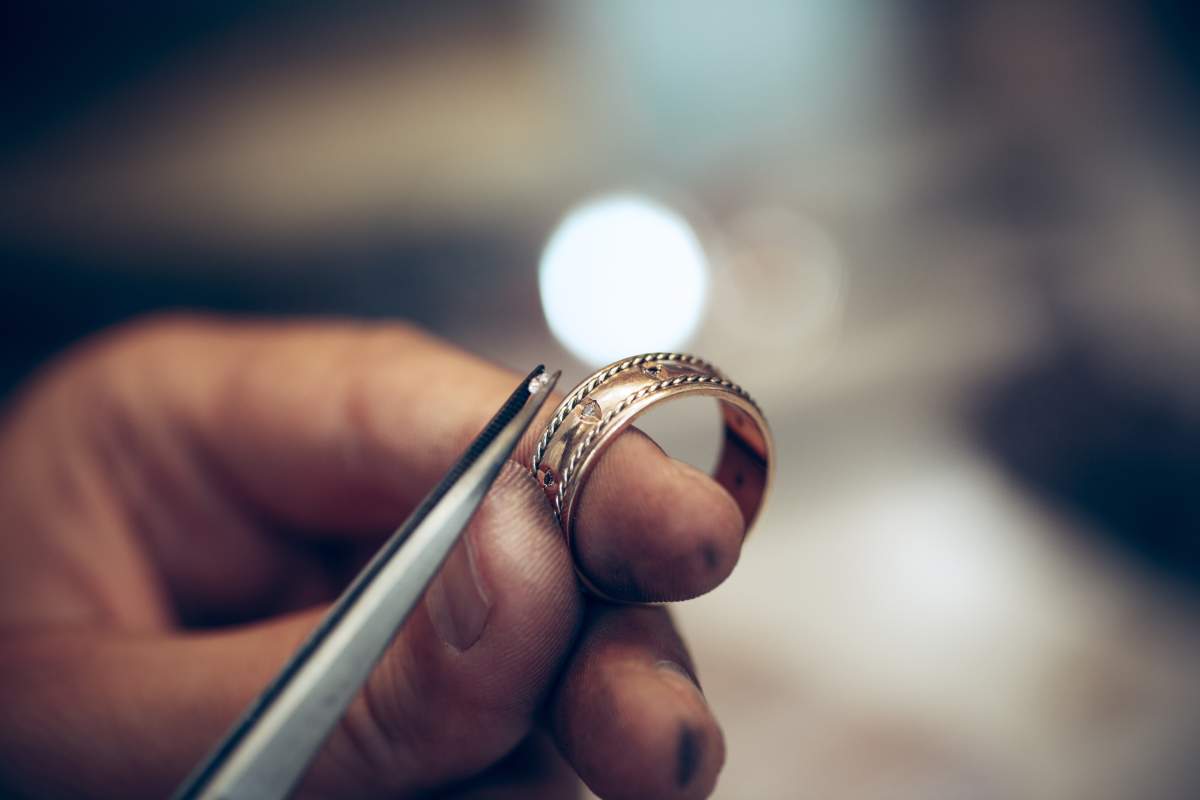
For residents in Auburn, seasonal clothing can also influence these decisions. Gloves, heavier sleeves, scarves, and winter layers may snag on raised prongs or elaborate details. A smoother setting, protected stone, or shorter chain can make a redesigned piece more practical through colder months.
Other useful design questions include:
- Will the piece be worn every day or occasionally?
- Does the wearer prefer a light or substantial feel?
- Should the design coordinate with other jewelry?
- Will the piece need to fit around gloves or layered clothing?
- Is the wearer likely to remove it for household tasks?
- Does the design allow for future repairs or stone checks?
A beautiful design is more likely to be worn when it fits ordinary habits.
Is melting down old jewelry always the best option?
No. Melting is only one possible approach, and it may remove details that cannot be recreated. Engraving, hand-cut textures, unusual construction, and historical features may be more valuable emotionally than the raw metal itself.
In some cases, the original piece can be modified with minimal changes. A new chain may update a pendant, a worn shank may be replaced while the original setting is retained, or a traditional stone layout may be rearranged without destroying every component.
The decision depends on the condition of the jewelry and the goal of the redesign. Someone seeking a completely new style may favor a fresh structure. Someone preserving family history may want to retain visible elements of the original.
What should be considered before changing an old piece?
The first consideration is whether the jewelry has special historical, financial, or family significance. A piece connected to a specific person or event may deserve documentation before any alteration.
It is also wise to separate sentimental value from material value. Gold weight and gemstone quality do not fully describe what an heirloom means. Conversely, emotional importance does not guarantee that every component can be reused safely.
Before proceeding, consider:
- Taking clear photographs from several angles
- Recording inscriptions and known family history
- Identifying which stones or parts matter most
- Deciding how often the redesigned piece will be worn
- Setting a realistic design goal
- Asking what happens if a stone is found to be damaged
- Confirming how unused components will be handled
Old jewelry can contain surprises, including worn prongs, brittle solder, previous resizing, or stones that were treated long ago. A careful assessment helps prevent disappointment and protects the parts that can still serve the new design.
How should a redesigned piece be cared for?
Care depends on the materials and the new setting. Jewelry with delicate stones may need protection from heat, sudden temperature changes, chemicals, and ultrasonic cleaning. Pieces worn regularly should be checked periodically for loose stones, thinning metal, worn clasps, or bent prongs.
Storage also matters. Jewelry should be kept dry and separated so that harder stones do not scratch softer materials. In homes where seasonal humidity changes or winter heating creates dry indoor air, avoiding damp storage areas and keeping pieces in a stable environment can help reduce tarnish and surface wear.
Repurposed jewelry often carries two histories: the story of the original piece and the meaning of its new form. Thoughtful planning allows both to remain part of the finished design without requiring the jewelry to look old-fashioned or remain difficult to wear.