

 See My Latest Article on HelloNation
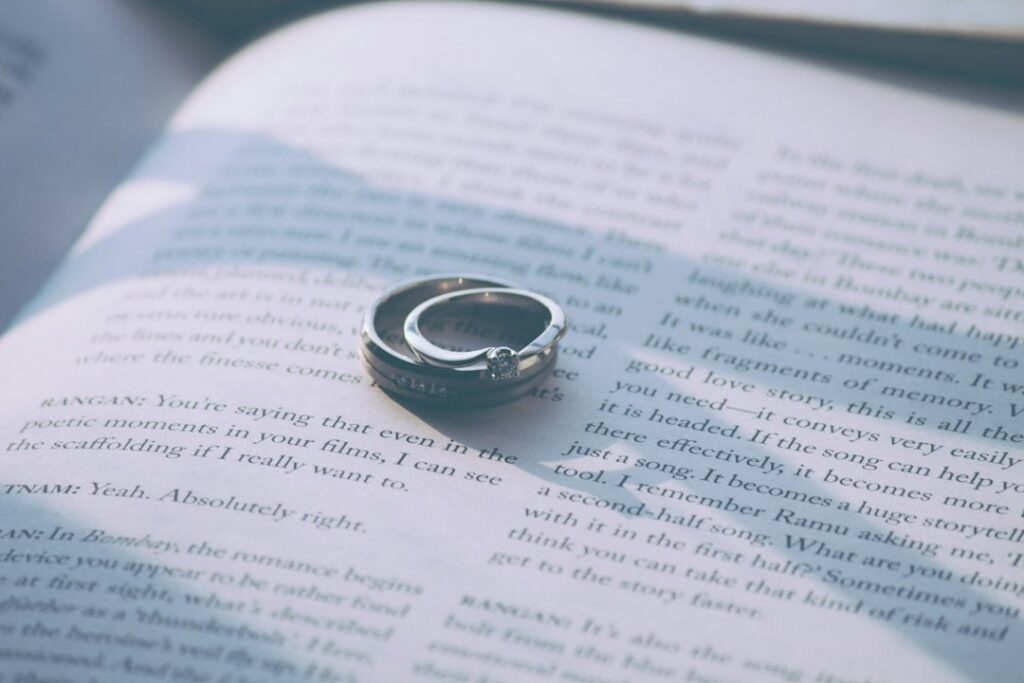
Sensitive skin does not mean giving up fine jewelry. The safest choices usually have a clearly identified metal, a smooth finish, and minimal exposure to nickel or other common irritants. For residents of Auburn, IN, practical material selection and everyday care can make earrings, rings, necklaces, and bracelets much easier to wear comfortably.
Why does jewelry irritate sensitive skin?
Jewelry-related irritation usually comes from either an allergy or simple skin irritation. Nickel is the most common cause of allergic contact dermatitis linked to jewelry, but reactions may also involve cobalt, certain gold alloys, plating materials, solder, polishing compounds, or residue trapped beneath a piece.
An allergic reaction often causes:
- Itching, redness, or burning
- Dry, scaly, or cracked skin
- Small bumps or blisters
- A rash shaped like the jewelry
- Symptoms that appear hours or days after wearing the piece
Irritation can also happen without a true metal allergy. Sweat, soap, skin products, friction, and moisture can collect beneath a ring or bracelet and weaken the skin barrier. During warm, humid weather, this is especially noticeable around fingers, wrists, and the neck. Cold weather can create a different problem by drying and cracking the skin, making it more reactive to metal contact.
Which jewelry metals are usually best for sensitive skin?
The most reliable choices are metals with known composition and little or no nickel exposure. Suitable options often include:
Platinum
Platinum is naturally dense, durable, and commonly used in a high-purity form. Because it contains less alloying material than many lower-purity metals, it is often a strong choice for people who react to mixed-metal jewelry.
High-karat yellow gold
Gold marked 18 karat or higher generally contains more gold and less alloy than 10-karat or 14-karat pieces. However, karat alone does not guarantee comfort. Some gold jewelry contains nickel, copper, or other metals that may cause a reaction.
Nickel-free gold
“Nickel-free” is more useful than a general label such as “hypoallergenic,” but the exact alloy still matters. If a reaction has occurred before, ask what metals are included rather than relying only on a broad product description.
Titanium
Titanium is lightweight and widely used for body jewelry and sensitive-skin applications. It is especially practical for earrings and pieces worn for long periods, provided the item is made from a suitable, clearly identified grade.
Niobium
Niobium is another metal often tolerated by people who have difficulty with common jewelry alloys. It may be available in a range of finishes and colors without relying on a thin surface coating.
Sterling silver, with caution
Sterling silver is mostly silver but contains other metals to improve strength. Many people wear it comfortably, but some pieces may include nickel, and silver can tarnish or react with perspiration. The alloy and finish should be confirmed before extended wear.
Is stainless steel safe for sensitive skin?
Sometimes, but not always. Stainless steel is a broad category rather than one specific material. Some grades release very little nickel, while others may bother someone with a strong nickel allergy.
For sensitive skin, look for jewelry described with a specific grade or clearly stated nickel-free composition. Avoid assuming that all stainless-steel earrings, watches, or chains will perform the same way. A piece that feels comfortable on the hand may still irritate the more delicate skin around a piercing.
Are plated or gold-filled pieces suitable?
They can be, but their comfort may change as the surface wears. Plated jewelry has a thin outer layer over a different base metal. If that coating scratches, thins, or wears away at edges and contact points, the underlying alloy may touch the skin.
Gold-filled jewelry has a thicker bonded layer than ordinary plating, so it may last longer under normal use. Even so, it is not automatically safe for every person with a metal allergy. Watch areas that receive repeated friction, such as ring undersides, bracelet clasps, and earring posts.
What should someone with sensitive ears look for?
Earrings are frequent problem pieces because the post or hook sits against pierced skin. Choose earrings with:
- Clearly identified nickel-free posts or hooks
- Smooth, rounded contact surfaces
- Secure backs that do not pinch
- Minimal movement and lightweight construction
- Materials such as platinum, titanium, niobium, or verified high-purity gold

Avoid wearing earrings immediately after swimming, showering, exercising, or applying hair products. Moisture and residue can remain around the piercing and increase irritation.
Newly pierced ears require additional care because the skin is healing. Jewelry should not be changed casually during the healing period, and persistent swelling, warmth, drainage, or increasing pain may indicate infection rather than an allergy.
How can rings, bracelets, and necklaces be worn more comfortably?
Clean skin and dry jewelry help reduce many preventable reactions. Remove jewelry before bathing, swimming, cleaning, or applying lotions. Dry the skin thoroughly before putting pieces back on, particularly under rings and watchbands.
For daily wear:
- Remove rings before washing hands and dry beneath them.
- Clean jewelry according to its material rather than using harsh household chemicals.
- Wipe perspiration from bracelets and necklaces after outdoor activities.
- Inspect clasps, prongs, and edges for rough spots.
- Stop wearing a piece at the first sign of itching or redness.
- Store jewelry dry and separated so finishes do not rub against one another.
Auburn’s changing seasons make this routine useful year-round. Summer perspiration can trap moisture beneath jewelry, while winter heating and cold outdoor air can leave skin dry and cracked. Adjusting wear time during these conditions may prevent a minor irritation from becoming a persistent rash.
Does clear nail polish make jewelry safe?
A coating may temporarily separate skin from a problem area, but it is not a dependable solution for a known allergy. The coating can chip, wear away, or trap moisture. It may also create irritation of its own.
If an older sentimental piece causes a rash, the safer approach is to stop wearing it until the metal composition is understood. A qualified jewelry repair specialist may be able to replace a post, lining, or component, but a modification does not guarantee that every wearer will tolerate the finished piece.
How can someone tell whether the problem is nickel?
The timing and location offer clues, but they cannot confirm the cause. A rash that repeatedly appears beneath the same earrings, ring, necklace, or watchband suggests contact dermatitis. Still, skin products, soap, sweat, friction, and hidden parts of the jewelry may also be involved.
Patch testing through a medical provider can identify certain contact allergies when the cause is uncertain or reactions keep returning. Seek medical care promptly if the rash spreads, becomes painful, develops drainage, involves facial swelling, or does not improve after removing the jewelry.
The most dependable approach is simple: choose jewelry with a documented composition, favor smooth and durable materials, keep pieces and skin dry, and pay attention to repeated patterns. Sensitive skin often responds better to consistency than to trial-and-error switching among unknown alloys.